See the new Amazonia for Life: Protect 80×25 website!
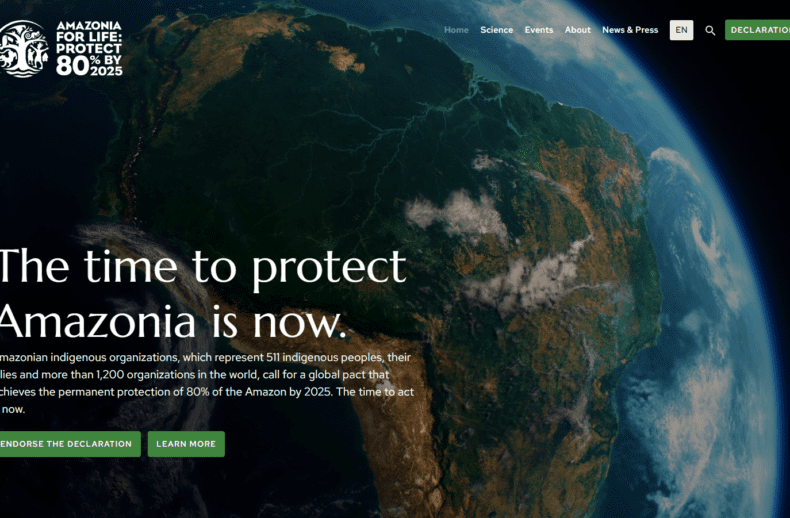

See the new Amazonia for Life: Protect 80×25 website!

Please see our call to action to maximize protection of large trees of all species as well as mature and old growth forests as the most “climate-smart forestry” approach.
Please see our new publication on encouraging cooperation between the climate and biodiversity conventions to solve both crises together.
The U.S. Bureau of Land Management just posted this announcement of a proposed rulemaking, stating that the BLM is now “working on various aspects of ensuring that forests on Federal lands, including old and mature forests, are being managed as we feel they should be.
Please see Griffith University’s website for our research and policy partnership (and many publications) on primary forests with Griffith, Wild Europe, Australian Rainforest Conservation Society, Woodwell Climate Research Institute and many others!

A new study published in the peer-reviewed journal Forests and Global Change presents the nation’s first assessment of carbon stored in larger trees and mature forests on 11 national forests from the West Coast states to the Appalachian Mountains.
January 2022 – December 2022 Scientists call for stepped up protections of primary forests on the Tongass…
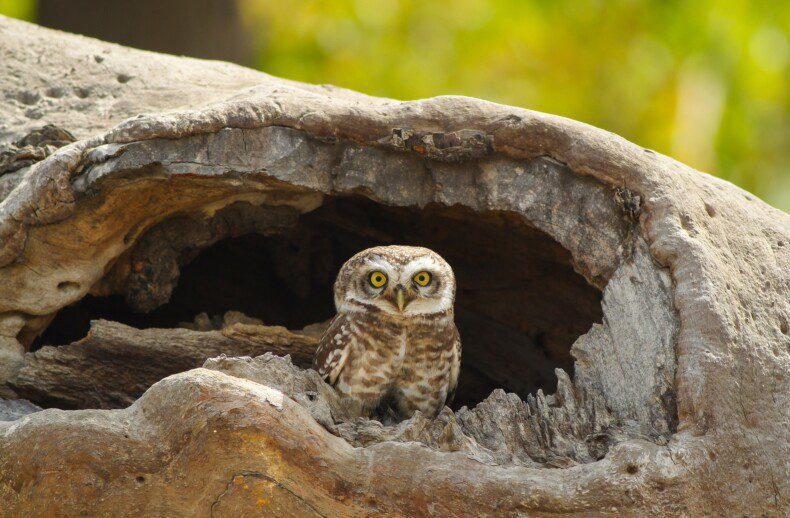
The Northern Spotted Owl is the quintessential canary in the coal-mine for older forest ecosystems. This medium-size nocturnal bird of prey was listed as “threatened” under the Endangered Species Act in 1992 because of widespread logging of its old-growth forest habitat shared by hundreds of species.
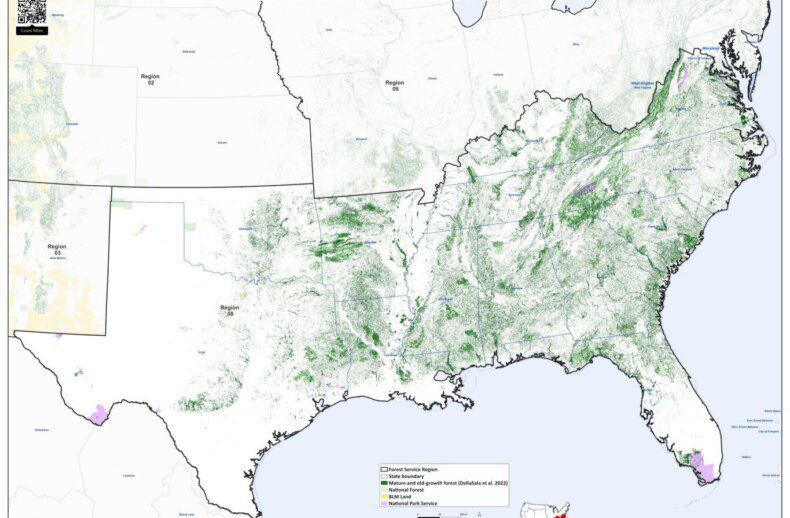
Today, an international team of scientists released the first ever coast-to-coast, map-based assessment of mature and old-growth forests (i.e., collectively referred to as older forests) in the continental United States, in a new peer-reviewed study published by Frontiers in Forests and Global Change.
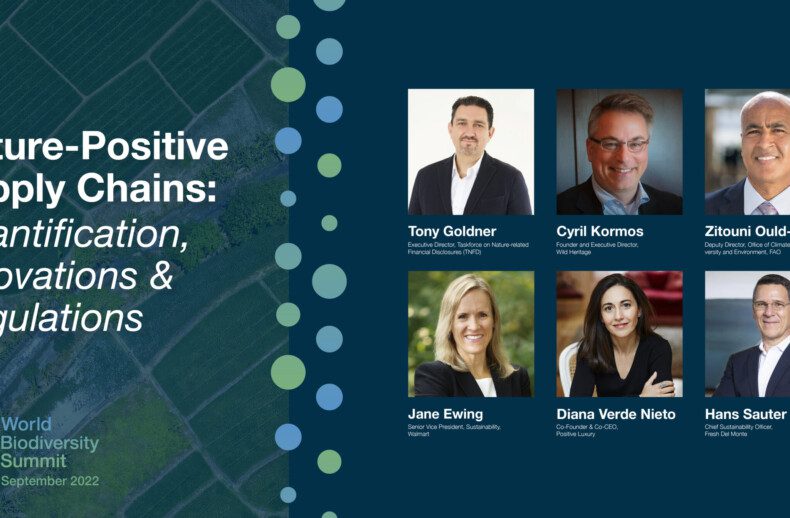
The World Biodiversity Summit offers a platform to bridge the biodiversity and climate agendas, mobilise investments for nature, and build global public-private partnerships for nature to meet the goals outlined in the Post-2020 Global Biodiversity Framework.
Amazonia Against the Clock: see the new report which shows that there is still time to protect 80% of the Amazonia by 2025 – and that it is urgent to do so! Respecting Indigenous Peoples rights and expanding Indigenous territories are a key part of the solution.

Please see our comments in response to the Request for Information from the US Government regarding EO 14072 on Mature and Old Growth Forests submitted by Chief Scientist Dr. Dominick DellaSala!