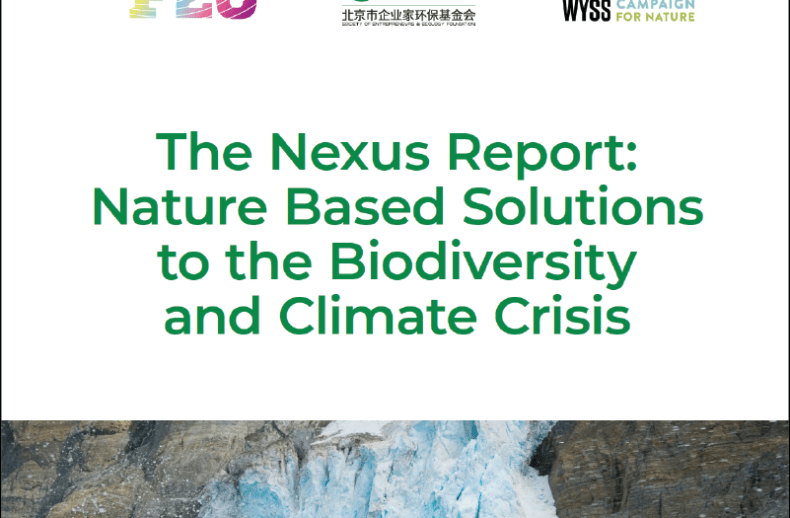
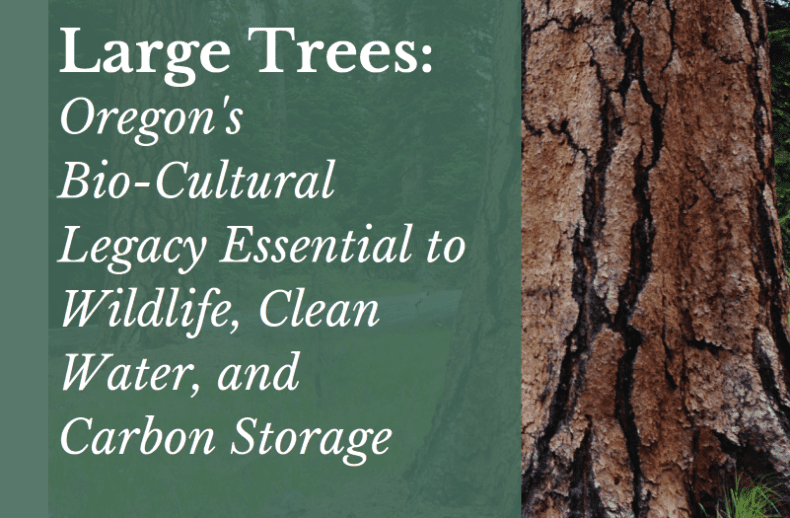
Read the “Statement by Scientists and Economists on BECCS from Forest Biomass” signed by Wild Heritage Chief Scientist Dominick DellaSala.

Read the “Statement by Scientists and Economists on BECCS from Forest Biomass” signed by Wild Heritage Chief Scientist Dominick DellaSala.

The Primary Forests microfilm, brilliantly produced and directed by Jaime Rojo Visuals, wins Honorable Mention at the highly prestigious Jackson Wild Film Festival in the Forests category!
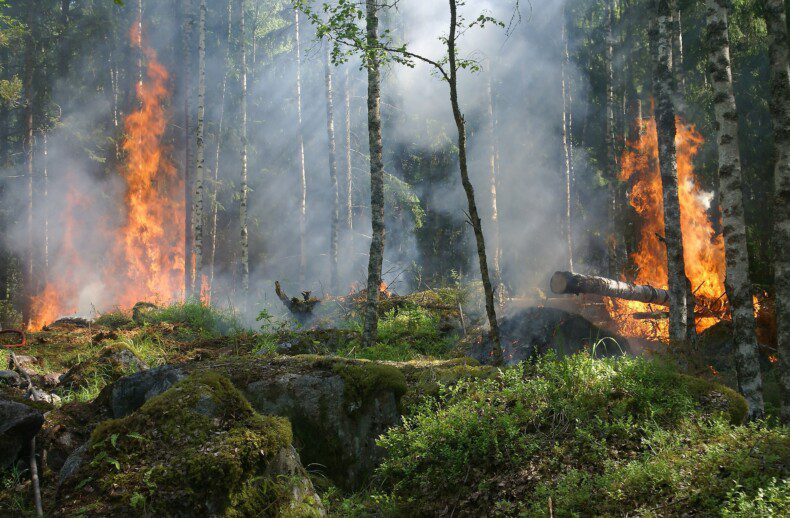
500 scientists, led by Dr. Peter Raven, Director Emeritus of the Missouri Botanical Society in St. Louis, Missouri USA, signed a letter to the Biden administration, the EU and the UN against burning forests as biofuels.
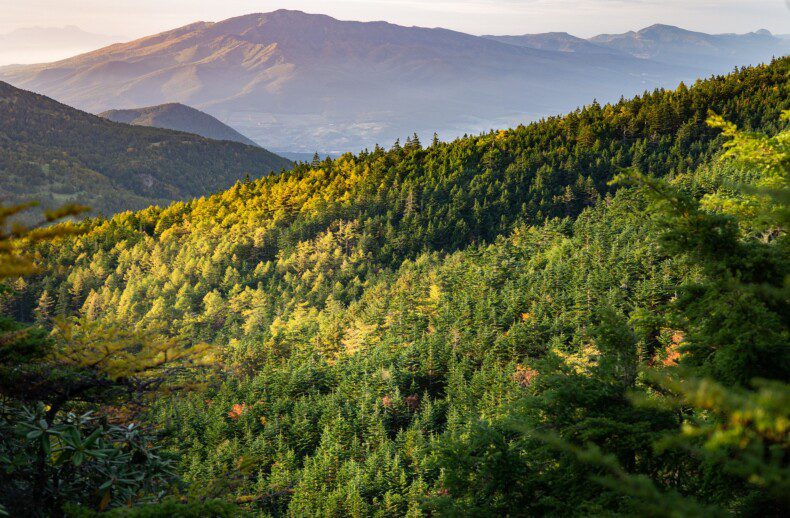
Wild Heritage Executive Director Cyril Kormos has been invited to participate in the Global Environment Facility’s Technical Advisory Group Feb. 8-11, which will provide technical input on potential directions for investments in preparation for the 8th Replenishment Cycle of the GEF Trust Fund (GEF-8).
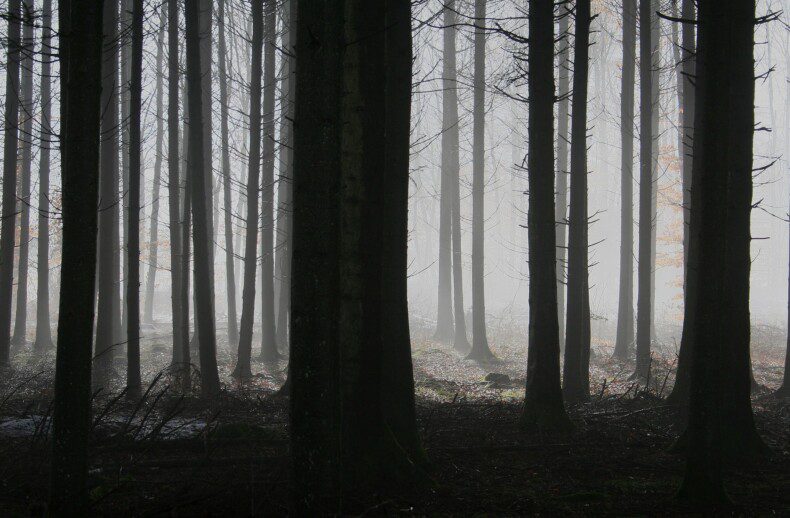
New science shows the imperiled spotted owl may benefit from large fires of mixed intensities that leave optimal foraging and nesting for owls, despite claims made by land managers to the contrary. Wild Heritage Chief Scientist, a former member of the US Fish & Wildlife Service’s owl recovery team, comments on new owl-fire research findings.
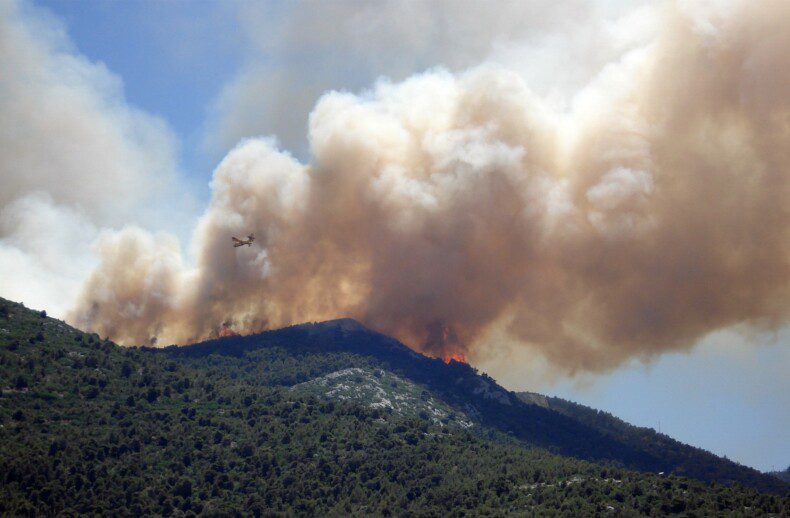
Western towns need to be designed for fire safety in a changing climate including reducing ex-urban sprawl into areas likely to burn, hardening existing structures, and building new ones with fire safety in mind. Wild Heritage’s Chief Scientist, Dr. Dominick DellaSala, discussed the Talent, OR rebuild underway following the destructive Almeda fire that was climate driven.
Listen to the Jefferson Public Radio interview with Dr. DellaSala
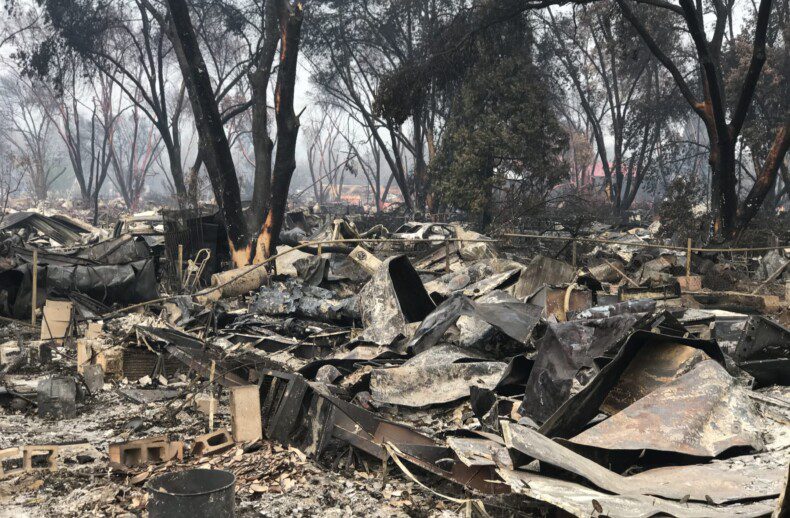
The Almeda fire was driven by climate change and more of these urban disasters are happening across the West. The September 8 Almeda fire started from suspect arson in Ashland, OR spreading within hours to adjacent towns of Talent and Phoenix, OR, where it destroyed 3,000 homes. It was climate driven.
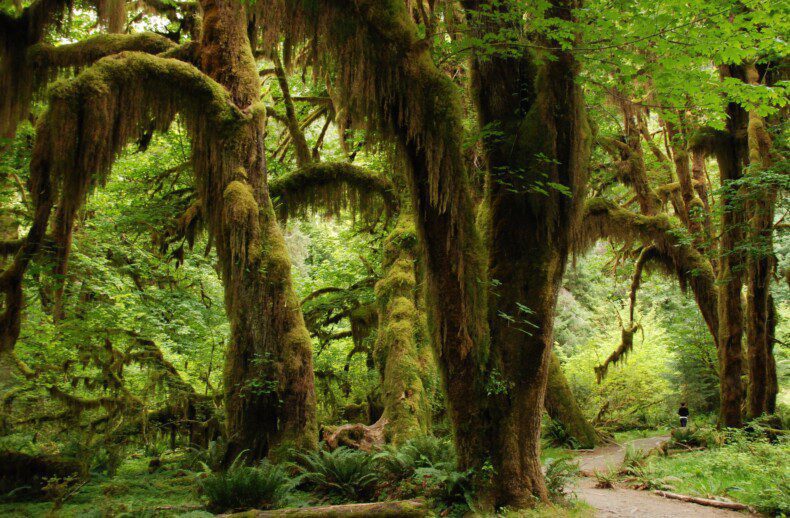
Carbon and IPCC scientists ask President-elect Joe Biden to extend his pledge of the Amazon to forests at home in this Seattle Times Op ed.
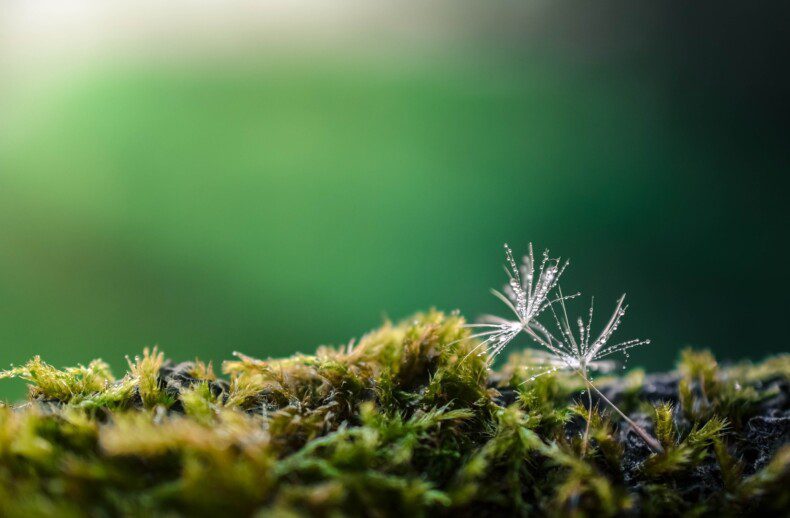
The Tongass rainforest in southeast Alaska is one of the nation’s last climate sanctuaries and needs to be protected from logging.

As trees grow and age over time they store massive amounts of carbon and help to keep Earth’s temperature from drastically overheating.